
KAMO 2026 Leadership Forum
The Comprehension Connection
November 5, 2026
Strong readers don’t just decode words - they make meaning. Understanding how students develop deep comprehension is essential for helping them become thoughtful, engaged readers.
Join Dr. Kelly Cartwright for an interactive, hands-on learning session at the 2026 KAMO Leadership Forum on Thursday, November 5, 2026, on the campus of Pittsburg State University to explore strategies and insights designed to help students become stronger, more thoughtful readers:
- Discover why word reading alone is not enough for true comprehension
- Learn how the brain constructs meaning from text through a brain-based approach
- Gain practical, ready-to-use strategies to help students think deeply and connect ideas
- Explore ways to support students in developing stronger reading comprehension skills
Forum Information:
- Time: 9:00 AM - 2:30 PM
- Registration begins at 8:30 AM
- Cost: $75 priority registration (ends on October 15). After October 15 = $95
Schedule of Events:
- 8:30 AM - Registration & Morning Welcome
-
9:00 AM - Opening Remarks & Introduction
-
9:15 AM - Morning Session Part I
-
10:45 AM - Break
-
11:00 AM - Morning Session Part II
-
12:15 PM - Lunch
-
1:00 PM - Afternoon Session
-
2:15 PM - Closing Remarks & Wrap-Up
Graduate Credit
The option of one-hour of PSU graduate credit is available only at the beginning of the workshop. In order to receive graduate credit, you must attend the workshop, and complete the assignment. The cost for the one-hour graduate credit is $90.
Presenter Information
Kelly B. Cartwright, Ph.D.
Spangler Distinguished Professor of Early Child Literacy
University of North Carolina at Charlotte
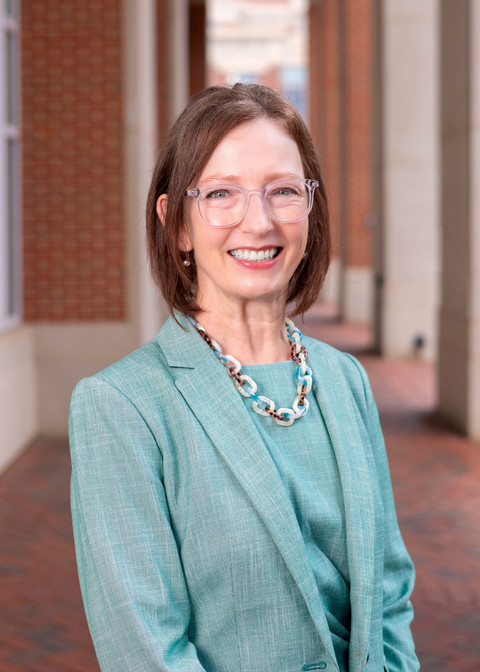 Kelly B. Cartwright, Ph.D. is the Spangler Distinguished Professor of Early Child Literacy at the University of North Carolina at Charlotte where she directs the Reading, Executive function, And Development Lab (READLab), serves as Co-Coordinator for the PhD concentration in Literacy & Research, Policy, and Practice, and serves on the Executive Board for the Mebane Early Literacy Center. Co-author of the Active View of Reading, Kelly’s research focuses on the development of skilled reading and the neurocognitive and affective factors that underlie reading processes and difficulties from preschool through adulthood. She regularly works with educators to better understand and improve reading instruction for striving learners, and these experiences inform her research.
Dr. Cartwright will present an informative session on The Science of Comprehension Instruction (or, Why Word Reading is Not Enough): Teaching Comprehension Components for Effective Reading. Across the nation, concerted efforts have been made to ensure that teachers are equipped with – and students receive – instruction aligned with science of reading. This led to an initial emphasis on using the best, research-based instruction to support skilled word recognition in classrooms. As a result, students’ word reading scores have improved tremendously. This achievement is a major cause for celebration!
Yet, across the nation, educators are noticing that mostly focusing on effective word reading doesn’t guarantee effective reading comprehension. Educators and school leaders are realizing that reading instruction should not focus on word reading OR comprehension. Instead, instructional emphasis should be on supporting BOTH skills, using research-based practices. Now that many teachers are more effectively teaching word reading skills, it’s time to bolster reading comprehension. In this session, participants will learn about scientific progress in research on reading comprehension that has yielded more nuanced models of reading to guide instruction. This research also shows that the individual processes that comprise reading comprehension can be targeted and taught explicitly to support students’ developing understanding of text.